
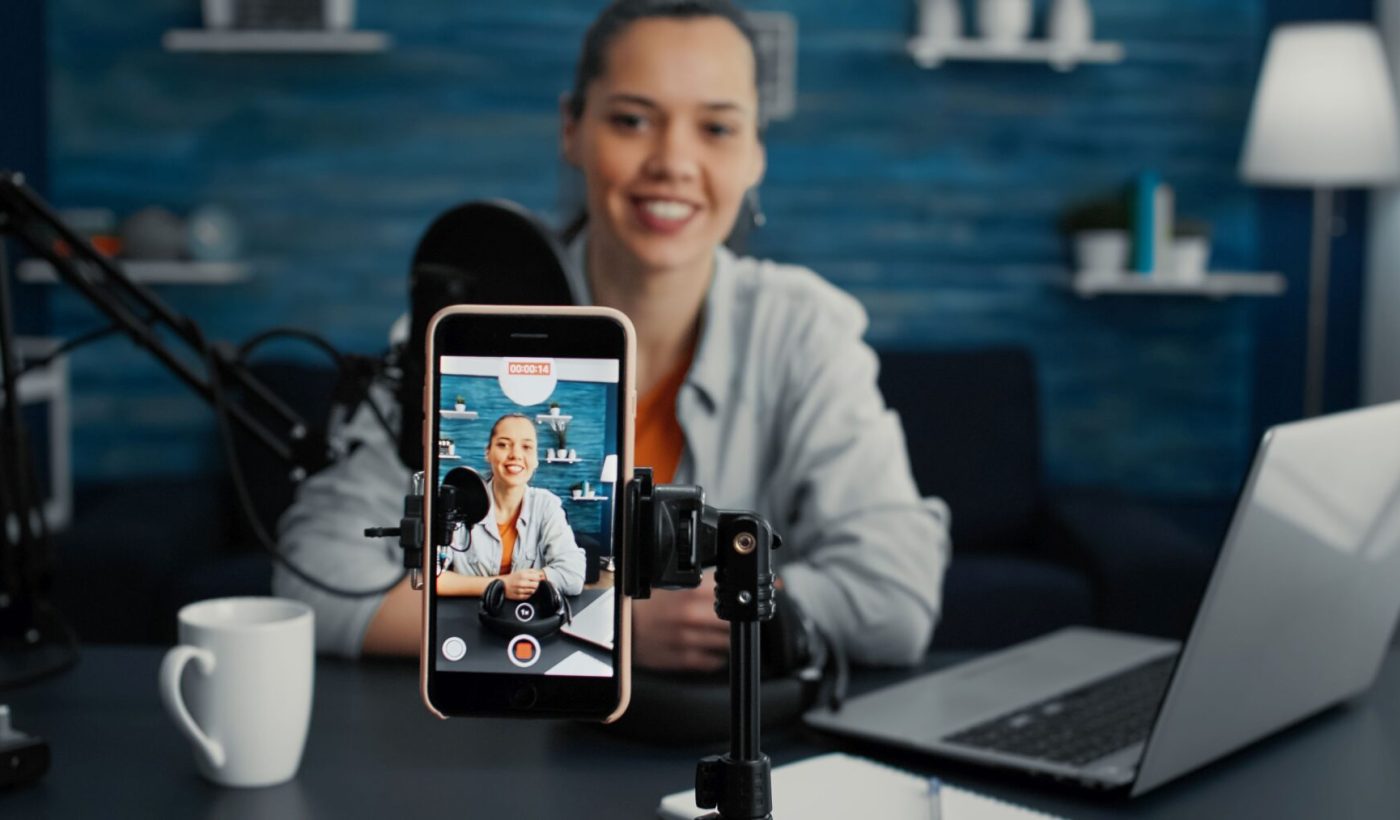

A new law has recognized the power of influencers’ most powerful weapon: short videos and the rest of their audiovisual content. The legal text assures that they have the same capacity as the mainstream media, and over the same audience, to transmit values, create identities, and even for higher things. Copying literally, it says that they can “preserve cultural and linguistic diversity in a society, transmit an egalitarian, non-discriminatory, non-sexist and non-stereotyped image of women and men and, ultimately, educate and train its members”. And he who has great power has great responsibility, but surely lawmakers have watched the same kind of videos as the rest of us mortals to make their new influencer law?
Well, there’s an answer to that: they started by watching gamers. They were the first to be noticed by the CNMV, Comisión Nacional del Mercado de Valores, in a project where its workers watched 420 hours of content from influencers on video games and eSports. Their chosen channels were YouTube, TikTok, Instagram TV and Twitch. And their conclusions were that more than half of the videos analyzed included content that violated the regulations on the protection of minors and commercial communications. In other words, they did not adapt the content to the children and teenagers they were aimed at, and when they made ads, they did not mark them as advertising. While the rest of the media, obliged by the Audiovisual Communication Law, did so, and that is unfair competition, which is one of the things that the CNMV is pursuing and trying to prevent. In addition to deception.
And that is how we have arrived at this new law, which is not so important because it regulates influencers but because it reminds us of the importance of advertising being done by professionals in their sector. Let’s take a look back to the late 1980s, when the Spanish advertising law, then designed for television, radio, newspapers and outdoor advertising, was passed. It basically guaranteed Spanish consumers that advertising would not deceive them, nor would it be aimed at audiences that were unable to distinguish its promises from reality. It was the golden age of Spanish advertising.
For more than a decade we became a benchmark for the most creative advertising in the world. We were showered with awards. We were copied. We were on a par with the great American or British ads, sweeping festivals and awards. Like Cannes, which has its own version of advertising, just as important for its segment as the cinema one is for theirs. Our advertising even shaped society a bit: against AIDS, the mythical “Put it on, put it on” campaign, and the end-of-year family dinners with “Come home for Christmas”, which was also a slogan. Advertising had become fully professionalized and had a legal framework. Then the internet changed the rules of the game, the talent of professionals adapted and then… influencers arrived.
Content creators are entertainment professionals, not advertising professionals. And it is clear that their large audience has aroused the interest of brands. They are an easy way to reach the public, but also a danger to reputation when there is no professional intermediary between the influencer and the brand. That is what alerted the CNMV and what has ended up creating a law for them, to avoid greater evils.
We have such a recent example that it is now the hashtag of a well-known French cosmetics chain. A tremendous communication error that would not have happened if advertising professionals had mediated between the influencers and the brand. Viral videos in Spain show girls under 12 years old going to their stores to ask for Retinol A creams, lip volumizers or eyelash serum. Sales assistants have confirmed this to investigative journalists in the stores themselves. And pediatricians and child psychologists have been up in arms. Because these fantastic beauty resources for adult skin can not only cause damage to children’s skin, they also have the danger of inducing cosmeticorexia, which is like anorexia’s obsession with not eating, but in this case with makeup. In minors. And all this, for the beauty tips of some influencers that are undoubtedly fantastic for adult audiences, but at no time as they are as content for an underage audience. And who are the media and consumers blaming? The network, not the content creators.
That is why the so-called influencers law, which actually means applying the Audiovisual Communication Law to these creators, places limits on their content, given that they achieve such enormous influence with it. In relation to the example of cosmetics, the law tries to limit that minors receive messages about the cult of the body; that erroneous standards of self-perception are transmitted to them -that famous idea that if you do not have a normative body you are not beautiful, or beautiful-; and also to propose them operations or aesthetic treatments. In addition to that, and for any advertising content, influencers may not encourage minors to buy products, or encourage their parents to do so. Nor promote unhealthy foods such as processed and ultra-processed foods, tobacco or vapes. Nor sanitary products, nor alcohol. And certainly not gambling, which must be advertised at very limited times and only to adult audiences.
Will this be achieved in a market as difficult to control as the Internet? The substantial amount of the fines for breaking these rules may achieve it, up to 600,000 euros in the most serious cases, and 10,000 in the most minor ones. It is also not very clear what happens to influencers who earn less than half a million euros a year or have less than a million followers. Because these are left out of the influencer registry, where they all have to be, along with traditional media. At the time this article was being finalized, none had yet appeared in the registry, neither as individuals nor as the companies that have created the most well-known ones. But they will appear soon, when the deadline given to them by the law for registration expires. And it doesn’t matter if they live or work in Andorra or elsewhere, these rules affect anyone who creates content aimed at the Spanish audience.
Any advertising professional would have explained all this before the law existed, adding that influencers are today an important resource for advertising and commercial strategies as long as they are used well. That is, as long as there is a specialized agency to direct and make each action or sponsorship fully effective without creating adverse side effects, such as the aforementioned cosmetics. Viral can also be harmful.


